
There is a quiet reshaping happening across the real estate landscape – one that isn’t driven by interest rates, political cycles, or even inventory levels. It’s driven by a different kind of buyer, one who is rewriting the rules of participation. These individuals are not the traditional landlords of previous generations, nor are they purely digital-market speculators. They sit somewhere in between: strategic, data-driven, and unafraid to diversify across both physical and digital assets.
They’re “Hybrid Investors,” and according to Kris Hamburger Insurance, their influence on the industry is growing faster than most expected.
Their approach’s uniqueness isn’t what makes this investor sector so appealing; rather, it’s how well it aligns with the behavior of contemporary capital. These days, money moves more quickly, intelligently, and with a more acute awareness of opportunity cost. Simply put, the term “hybrid” refers to those who view real estate as a portfolio ecosystem rather than a standalone investment.
As Kris Hamburger notes, these investors use digital tools to evaluate physical opportunities and use physical holdings to stabilize digital ambitions. The lines between categories are fading, and a far more sophisticated investor profile is emerging.
Why Hybrid Investors Are Surging Right Now
There is a catalyst for every change in real estate, and in this instance, multiple factors have come together simultaneously. The first is the growing price of doing nothing. Markets change swiftly, and waiting is risky. Hybrid investors have an innate understanding of this. Investment paths are no longer seen by them as discrete options.
They use layered techniques, including tokenized assets that coexist with mortgage-backed revenue streams, long-term land holdings backed by short-term rental portfolios, and fractional digital positions combined with traditional property ownership.
It’s here where Kris Hamburger sees the most significant behavioral shift: investors are thinking in terms of flexibility, mobility, and control.
How Hybrid Thinking Is Reframing Real Estate Strategy
A hybrid The way that deals are assessed is changing due to investors. The traditional methods of estimating rent rolls, evaluating comparables, and computing debt service are still relevant. However, it is no longer independent.
Rather, they think about:
- How a physical asset stabilizes risk exposure from digital holdings.
- How fractional digital investments support liquidity between larger acquisitions.
- How data-driven insights create timing advantages.
It’s a style that rewards intellectual discipline. It requires understanding markets structurally, not reactively. This is why Renee Ben-Schmuel Hamburger emphasizes the importance of examining how investors interpret risk today, not as something to avoid, but as something to allocate with intention.
The Market Forces Pushing Hybrid Investors Forward
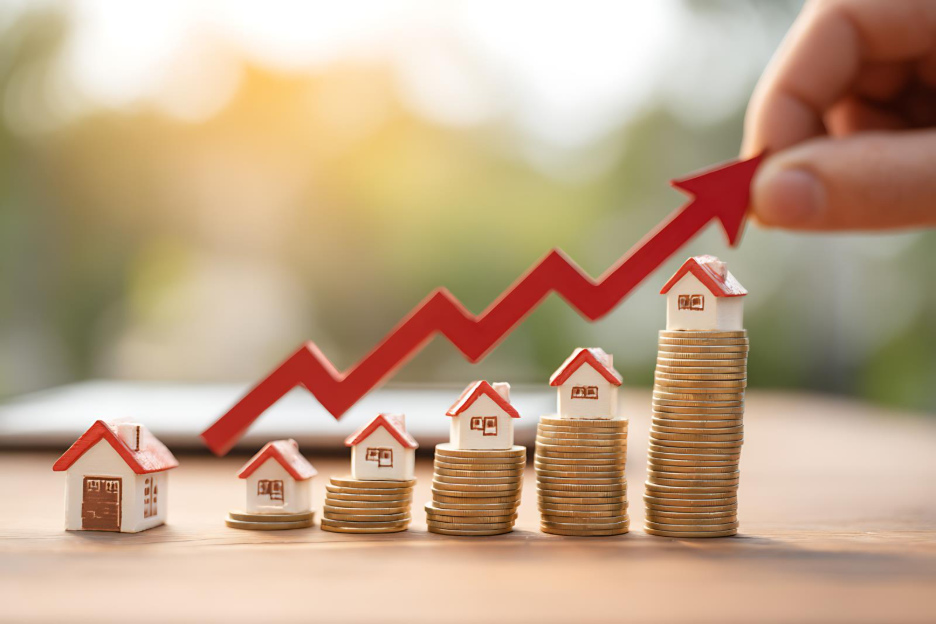
Some of the momentum comes from demographic change. Millennials and Gen Z investors, now entering their highest-earning years, are comfortable blending physical and digital investment classes. They want tangible assets but also value liquidity. They study cap rates, but they also study blockchain applications. They’re not abandoning real estate; they’re expanding the ways they participate in it.
The unpredictability of single-path investing is another factor. Interest rate volatility, changing supply chains, and changing financing practices have all brought attention to how important diversification is. Hybrid investors diversify to manage momentum, not by mistake. And real estate continues to be their mainstay due to its longevity and potential for profit.
According to Kris Hamburger Insurance, this combination of grounded strategy and innovative thinking is shaping the next chapter of the industry.
What Hybrid Investors Mean for the Real Estate Market
The emergence of hybrid investors is a symptom of a larger structural change rather than just a fad. The first is that competition is evolving. With the use of computerized analysis tools that reduce reluctance, these investors often act swiftly. They are able to allocate cash more precisely and assess opportunities more quickly. Brokers, developers, and sellers need to adjust to this faster pace.
Second, education is becoming a competitive advantage. Investors who stay informed – about regulation, about digital asset structures, about evolving lending norms – are the ones reshaping the market. As Kris Hamburger observes, the winners in the next decade will be those who understand the interplay between physical property and digital innovation.
Third, the industry needs to get ready for a surge in demand for products that work with hybrids. Blockchain – enabled title procedures, AI-powered property analysis tools, tokenization platforms, and hybrid lending models will all keep growing. A period of rapid modernization in real estate is about to begin, driven by utility rather than hype.
Hybrid Investors Aren’t the Future – They’re Already Here
The most fascinating part of this transition is how naturally it has unfolded. Hybrid Investors didn’t appear because the industry pushed them forward. They appeared because the industry evolved and they adapted. They are the bridge between conventional real estate and the next era of investment diversification.
As Renee Ben-Schmuel Hamburger notes, hybrid thinking is not a departure from sound investing; in fact, it’s the refinement of it. It’s a mindset that values discipline as much as innovation. And if the current trajectory continues, this investor profile will shape the rhythm of real estate for years to come.